The scent of avgas and the smell of new fiberglass garage wall surfaces still bring me back to my very first days at flight school. I was nineteen, an university kid with a pocketful of nerves and a persistent inquisitiveness concerning the sky. I found out rapidly that a Private Pilot License (PPL) is far more than a certificate to fly solo or excite a date at the airport terminal coffee shop. It's a gateway to a functional type of flexibility, a self-control that reshapes how you believe, intend, and relocate via the world. The fundamentals aren't just about regulating an airplane; they're about developing a durable framework for safe decision-making, consistent practices, and a clear feeling of responsibility.
If you're weighing the idea of coming to be a pilot, start with the principles and deal with the trip as a long apprenticeship rather than a sprint. The PPL is the tipping rock, but the actual value shows up in how you come close to flight training, how you take care of danger, and just how you use what you learn in the cabin to life on the ground.
Airspace, weather condition, and airmanship push you to grow. The ground school bites at initially, then the functional flight sessions begin to knit all of it together. A well-timed lesson is a small victory; a hard crosswind or a stubborn gas selector can end up being a turning factor in your judgment. The course isn't a straight line, and the roadway from curious passenger to skilled pilot winds through a mix of technique, experience, and sincere self-assessment.
Flight institution is your first lab in a really public sort of understanding. The aircraft is a device, the trainer an overview, and your fellow students a living critique. The worth of the PPL, appropriately recognized, isn't the short-lived thrill of taking off. It's the confidence that comes from understanding a self-control that awards preparation, technique, and a tranquility, systematic approach.
The much more I work with aspiring pilots, the extra I observe a repeating pattern. The people who obtain one of the most out of exclusive pilot training treat it like a craft to be learned, not a box to be inspected. They remain curious about the systems, ask intentional concerns, and practice a little everyday, even when the weather inhibits flying. They additionally learn to handle time and money with equal treatment, recognizing that the pace of training usually identifies both end results and memories.
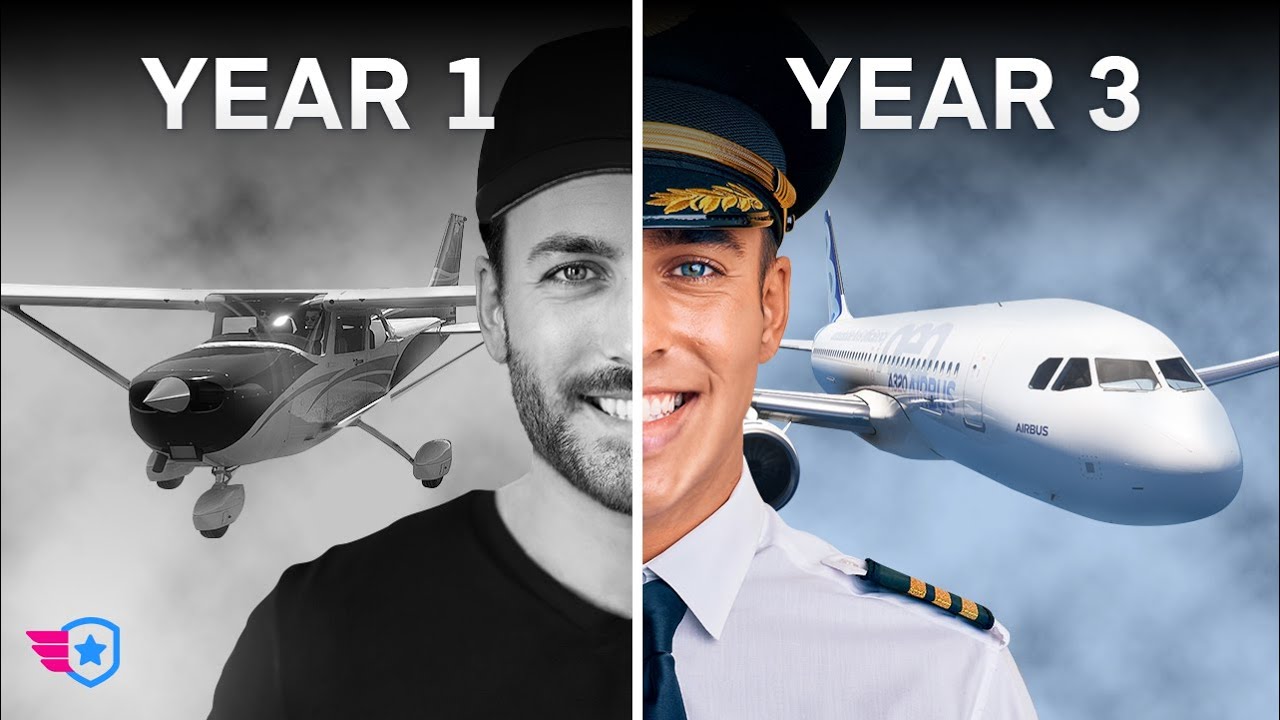
What makes a strong foundation in pilot training? It begins with a clear understanding of why you wish to end up being a pilot and exactly how you intend to make use of that skill in the future. If your objective is to fly for fun and personal transportation, you'll focus on reliability, navigation essentials, and the capacity to manage unanticipated occasions calmly. If you imagine airline company ladders someday, the PPL becomes the first page of a longer tale, one that will introduce you to tool traveling, cross-country planning, and the crew sychronisation that sits at the heart of professional aviation.
The selection of flight school matters almost as high as the selection of aircraft. An excellent college isn't practically the plane fleet or the schedule. It has to do with trainers who recognize when to push you, when to back off, and exactly how to translate the scientific research of the rules of aerodynamics into sensible, actionable decisions in the cabin. It has to do with a culture of safety and security, a tempo of lists and briefs, and an area that values stable development over showy results. I remember my initial morning rundown as if it were the other day. The instructor had not been asking me to memorize every number in a flight manual. He asked me to tell him what I would do if the panel illuminated with a cascade of cautioning lights. It wasn't an examination even a prep work for the truth that you don't reach manage everything airborne, however you do control your response.
The practical steps to starting a personal pilot journey are uncomplicated, yet they require sincere dedication. There are prices to think about, yes, and timelines that can stretch depending upon weather condition, routine, and the flexibility of the school. Yet the return on that particular investment-- beginning to see the globe from a new point of view, finding out to check out the sky, and establishing a feeling of personal accomplishment-- can be distinctly gratifying. You'll discover more about yourself in a few months of trip training than you could expect from a year of classroom research in any kind of other field.
One of the core lessons in learning to fly is how to manage risk without fear. You'll listen to a whole lot about climate minimums, gas planning, and preflight checks, yet the useful takeaway is a silent practice of asking the right concerns at the correct time. Is the forecast secure enough for the trip you're intending, offered your experience? Do you have a margin of fuel to fit an unforeseen diversion or an additional touchdown if the climate or a mechanical problem develops? Are you and your teacher straightened on the decision to continue, or to turn back? You discover swiftly that there is greater than one path to a safe end result, which the very best plan is often the most basic plan you can physically execute.
I intend to outline some honest, functional factors to consider that can aid you make a decision whether the Private Pilot Certificate is the best starting factor for you. The journey isn't extravagant on a daily basis. It is, however, consistently concrete in its needs: focus to detail, consistent technique, and a willingness to be a long-lasting pupil of climate, airspace, and human factors.
First, the mechanics of the certificate itself are developed to develop competence item by item. The FAA and similar authorities in other countries need a minimal variety of trip hours, typically consisting of a mix of solo trip time, twin direction with a licensed instructor, cross-country trips, and a final check experience that evaluates your capability to take care of the aircraft solo and securely manage the flight from start to finish. The specific needs can differ by nation, yet the underlying concept is universal: the license accredits that you can run an airplane securely under VFR conditions with a sensible level of skill, decision-making, and discipline.
Second, you will owe your share of time to ground school. This is not an abstract residency in aeronautics concept. Ground college is where you learn the why behind the how, the factor you do a precise preflight, the reasoning for the series of jobs throughout a takeoff, and the way you analyze a METAR or TAF in your trip preparation. The study assists to create a rhythm that you carry right into every flight: a routine of checking and reconsidering, of validating the info you rely upon, and of calibrating your assumptions to what the weather condition really delivers.
Third, the choice of airplane issues. Different aircrafts react in a different way to light and weight, various field elevations, and different weather conditions. A typical starter aircraft, usually a two-seat instructor, is forgiving sufficient to aid a trainee discover and accurate adequate to require exactness when you prepare to breakthrough. You'll quickly find out the distinction between the feeling of a plane at the edge of its delay and the even more benign feel prior to a mild climb. The hands-on experience of changing controls, trimming for steady trip, and comprehending the effect of weight and equilibrium makes the academic ideas promptly tangible.
Fourth, your progress depends on an unique mix of time and weather. In lots of places, the climate dictates the speed of training more than any kind of other element. An extended stretch of wind, snow, or reduced ceilings can stall a timetable for days or weeks. The very best student pilots in this setting grow a robust alternative strategy. They practice ground-based abilities-- flight preparation, map analysis, memory job, and scenario-based decision making-- when flying days are scarce. They likewise keep a cautious log of their tasks, not simply for compliance, yet to determine patterns in AELO Swiss Academy their understanding that can assist future practice.
Fifth, the individual expense is real. The monetary aspect is not a flight school AELO Swiss Academy moral falling short yet a sensible factor to consider that influences capacity to stay the course. Allocate flight fees, teacher time, airplane rental, and the unavoidable subordinate expenditures that arise. A candid technique assists. Choose what you fit spending over a defined period, create a practical training schedule that suits your life, and build a padding for weather hold-ups and additional flights you could need to grasp a specific maneuver. It's not attractive, but it is a kind of discipline that equates into better outcomes down the road.
Now, let me offer a few practical choices and trade-offs that tend to shape the course for the majority of hopeful pilots. These are not universal rules, yet they reflect the wisdom of years spent assisting people navigate the jump from interest to competence.
- The front runner is whether to start with a complete private pilot track or to supplement with a scoped program that highlights a certain skill. For some, one of the most valuable path is to finish the PPL as the starting factor for a broader aviation job later on. For others, a focused, shorter program that concentrates on VFR trip basics can satisfy a wish to fly and keep expenses convenient while they explore options. The 2nd decision has to do with aircraft complexity and transition. Some institutions will certainly supply a solitary instructor aircraft that you'll fly for a lot of your training. Others combine you with a second, a lot more capable plane as you approach the cross-country phase. The incremental challenge of adding efficiency qualities can increase finding out if you are planned for it and if your trainer agrees that you prepare to take on the additional complexity. The third factor to consider is weather truth versus training goals. If your timeline is tight, you might push for more frequent trips during home windows of great weather condition, also if it implies scheduling around imperfect days. If your life is more busy, you may spread trips out, however after that you'll need to stay disciplined regarding practice and studying between lessons to avoid backsliding. The fourth element is the quality and design of direction. Instructors come with various personalities and training strategies. An excellent suit makes the discovering feel natural and manageable. If you discover a style that reverberates, you'll likely see faster progress and a deeper understanding of the product. If not, seeking a consultation from another teacher or a various flight school can alter the trajectory of your training. The 5th and maybe essential component is safety society. The very best trip schools installed safety and security into daily language-- briefings that emphasize threat awareness, transparent discussions concerning close to misses or errors, and a shared commitment to constant improvement. The culture you sign up with will shape exactly how you think, exactly how you intend, and how you act when you're alone in the cockpit.
A few stories from my very own journey highlight these ideas in a concrete way. I keep in mind the very first time I browsed by spots as opposed to by circles on a chart. The path was basic, however the surface beneath draped in a late summer haze, and a little headwind scolded at our airspeed. The moment I realized I was merging on a river bend with a farmhouse perched on a hillside, I felt the air murmuring a reminder: the sky will certainly always be a living system, and your work is to straighten your plans with what it can supply, not what you want it would. It was a reminder to keep the list useful, to validate gas and gas endurance, and to maintain the prop and the engine temperature level within safe limitations. Those minutes stick to you; they sharpen your judgment and feed your self-confidence at the same time.
Another memory centers around a cross-country trip that called for a purposeful re-planning mid-way. We encountered presence that went down faster than the projection suggested. Rather than advancing on a line that would have required us into low problems, we called a distinct. We landed at an alternating area with a much shorter path and a slightly less desirable wind instructions, then re-evaluated our plan. The lesson wasn't simply about selecting the best location to land; it had to do with acknowledging that flexibility when faced with real, living conditions is a toughness, not a weakness. The capability to pivot gracefully, based in excellent information and clear interaction, is what separates pilots that fly well from those that fly with fear.
If you read these words with the stimulate of curiosity and a sense that this might be your very own story, here is a practical path to get going without feeling overwhelmed. This is not an assured dish for success, but it is a realistic approach that I've seen work for numerous trainees who were equally reasonable combined with a healthy dose of doubt.
- Begin with an honest assessment of your motivation and your timetable. If you desire the PPL largely as a pastime, frame your training around regular technique and satisfying traveling. If you have specialist aspirations, treat the lessons as a platform for broader air travel goals. Research neighborhood trip schools with a track record of security, clear pricing, and transparent metrics. Talk to existing students and inquire about their experiences, including how the institution manages weather condition downtime and scheduling conflicts. Start with a trial lesson to really feel the airplane, the controls, and the trainer's technique. A very first hour can tell you much more concerning fit than any brochure or website. Build a sensible spending plan and a backup strategy. Flight training frequently stretches past the preliminary budget in means you will not anticipate. A cushion aids suffer momentum without pressure turning into worry or frustration. Track your progression in a straightforward, sincere way. Maintain a log not simply of flight hours yet of what you learned, what you found testing, and how you applied it on the next session.
In enhancement to both checklists above, a silent yet powerful reality concerning ending up being a pilot is the way it changes your daily life outside the cabin. You begin noticing the weather condition much more acutely, not as a projection to dread, but as a vibrant set of variables that determines your day's alternatives. You end up being a lot more aware of human aspects-- the means tiredness, tension, and diversion can influence efficiency. You learn to worth preparation, also in the smallest decision, whether you're intending a weekend journey by air or determining exactly how to path a trip with household. The self-control you grow in trip converts right into a steadier technique to other responsibilities: organizing, budgeting, and also personal goals.
The personal pilot license is, at its core, a craft of cautious, intentional practice. It asks you to appear with humbleness and persistence. It tests you in little, quantifiable ways: an exact preflight, a tidy departure with appropriate pitch and power management, the capability to trim for hands-off flight while maintaining an alert eye on the assesses, and the capacity to deal with an unforeseen gust with poise instead of panic. The most effective students find out not to go after rate or phenomenon airborne; they pursue predictable, repeatable success. They find out a tempo of technique that is extra regarding integrity than bravado.
If you think about the PPL as an entrance rather than a destination, you'll approach it with the ideal frame of mind. The door opens right into a broader globe of aviation that rewards inquisitiveness, security, and a steady commitment to self-improvement. You will not quickly end up being a professional, but you will obtain something that expands with time: the confidence that you can handle requiring circumstances, the humbleness to look for help when you require it, and the competence to fly safely in a variety of conditions.
In the end, the private pilot certificate has to do with more than the capacity to press buttons in a cabin or to demonstrate a set of maneuvers. It is about a way of assuming under pressure, an approach for transforming unclear skies right into accessible possibilities, and an individual feeling of freedom made by practice and self-control. When you climb up right into that cabin for the first time, you aren't simply beginning a flight strategy-- you are beginning a behavior that, with perseverance and care, can form your whole method to life. The sky is not an abstract area to conquer; it is a living theatre where mindful preparation, precise implementation, and thoughtful representation produce the most satisfying results.
As you consider flight school and pilot training, keep in mind that come to be a pilot is a journey that compensates the person and the persistent. The PPL is a meaningful initial installation because journey, a foundation that supports future knowing while providing instant, tangible returns in the form of fresh viewpoints, brand-new abilities, and a genuine sense of achievement. If you walk right into a flight school with a clear idea of your goals, with the willingness to pick up from every flight, and with a regard for the facts of weather, airspace, and human aspects, you'll locate that the essentials you master early on come to be the compass you carry forward right into every hour you spend in the air.